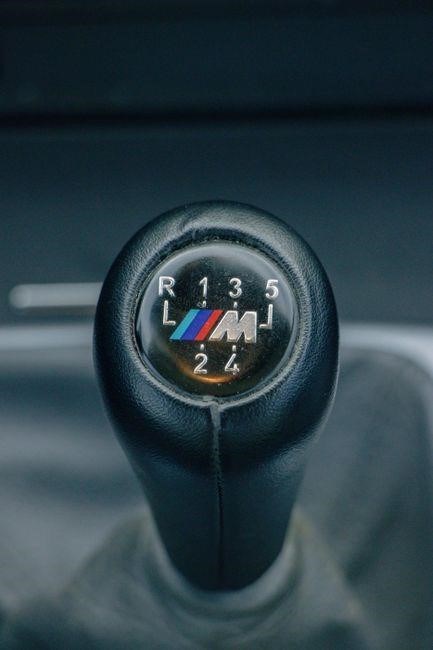
Delayed Gear Engagement
When a shift takes longer than usual to click into gear, it signals delayed gear engagement, a classic bad manual transmission symptom․ This lag often points to worn synchronizers, low fluid, or a misaligned shift link․ Prompt inspection can prevent further damage․ Check fluid and linkage to pinpoint the cause before major wearnow!!․
Gear Slippage
Gear slippage is a hallmark bad manual transmission symptom that manifests when the vehicle’s engine revs while the car remains in the same gear or the gear unexpectedly drops into neutral․ Drivers often notice a sudden loss of power, a “slip” feeling, or a noticeable jump in engine RPM without a corresponding increase in speed․ This phenomenon can be caused by several underlying issues, including worn synchros, low or contaminated transmission fluid, damaged gear teeth, or a failing clutch that cannot hold the gear engaged․ In many cases, the first sign is a delayed or incomplete engagement, followed by a gradual increase in slippage severity․ If the problem persists, the transmission may eventually fail entirely, leading to costly repairs or replacement․ Regular fluid checks, proper clutch operation, and timely maintenance of the shift linkage can help prevent gear slippage and extend the life of the manual gearbox․ and check clutch now and inspect now!
When slippage occurs, the driver may feel a sudden jolt or loss of traction, especially during acceleration or hill climbs․ The engine may rev up to 5,000–6,000 rpm without a corresponding increase in speed, showing that torque is not transmitted efficiently․ This can also manifest as a “shudder” when shifting from low to high gear, or a noticeable delay before the gear engages․ In extreme cases, the transmission may slip out of gear entirely, leaving the car in neutral while the engine runs․ Such behavior reduces fuel economy and increases wear on the clutch and internal components․ Diagnosis typically involves checking the shift linkage, transmission fluid level and condition, and a test drive to replicate the slippage now!
Unusual Engine Noise
When a manual gearbox shows bad symptoms, a sharp clunk, grinding, or whining during gear changes signals internal wear․ This noise often stems from worn synchronizers, damaged gear teeth, or low fluid․ Prompt inspection can catch early failure and save costly repairs․ Check fluid now change if needed!!
Causes and Diagnostics
Diagnosing a failing manual gearbox requires a systematic approach․ Begin with a visual inspection of the clutch, linkage, and fluid reservoir for leaks or contamination․ Next, check the fluid level and color; a dark, gritty fluid often indicates internal wear․ Perform a test drive, noting any hesitation, slipping, or noise․ Use a diagnostic scanner to read any stored fault codes, even if the check‑engine light is off․ Inspect the gear selector for proper alignment and resistance․ If the transmission is still under warranty, a professional shop can perform a pressure test to verify hydraulic integrity․ Finally, consider a bench test of the gearbox to identify worn synchronizers or damaged gear teeth․ Early detection of these issues can prevent catastrophic failure and costly repairs․
In addition to the basic checks, a mechanic may use a transmission jack to lift the vehicle and inspect the gear housing for wear marks or debris․ A pressure gauge can reveal whether the clutch slave cylinder is delivering the correct hydraulic pressure․ If the transmission is a dual‑clutch system, check for clutch pack wear and ensure the selector linkage is correctly adjusted․ For older models, a visual inspection of the synchro rings can uncover worn or broken components that cause delayed engagement․ A thorough diagnostic routine includes checking the engine’s idle speed and torque converter performance, as these can influence gear shifting behavior․ By combining fluid analysis, mechanical inspection, and performance testing, you can pinpoint the root cause of bad manual transmission symptoms and decide whether a repair or replacement is warranted․ Accurate diagnosis saves time money!
Worn Synchronizers
Worn synchronizers are a key culprit behind many bad manual transmission symptoms․ These components, inside each gear shaft, use friction to match gear speed to shaft before a shift occurs․ When the rings wear out, the gearbox struggles to lock gears smoothly, leading to noticeable issues․
- Delayed engagement: The shifter may feel sluggish, and the gear may click into place later than expected․
- Gear pop‑out: A worn synchronizer can cause the transmission to slip out of gear, especially under load․
- Grinding noise: As the synchronizer fails to match speeds, gears can grind against each other, producing a harsh metallic sound․
- Slipping under acceleration: The vehicle may shift into neutral or a lower gear unexpectedly while driving․
Diagnosing involves listening, feel, and inspection․ A mechanic may perform a “shift test” by moving the shifter through each gear while the engine idles․ Hesitation, noise, or resistance indicates wear․ A transmission jack can lift the vehicle so the technician examines the gear housing for worn rings or debris․
Repair options depend on severity․ Minor wear may be fixed by cleaning the rings and replacing bearings․ Severe cases require a full rebuild or replacement of the gear set․ Rebuilding restores smooth shifting and extends transmission life, but needs specialized tools․
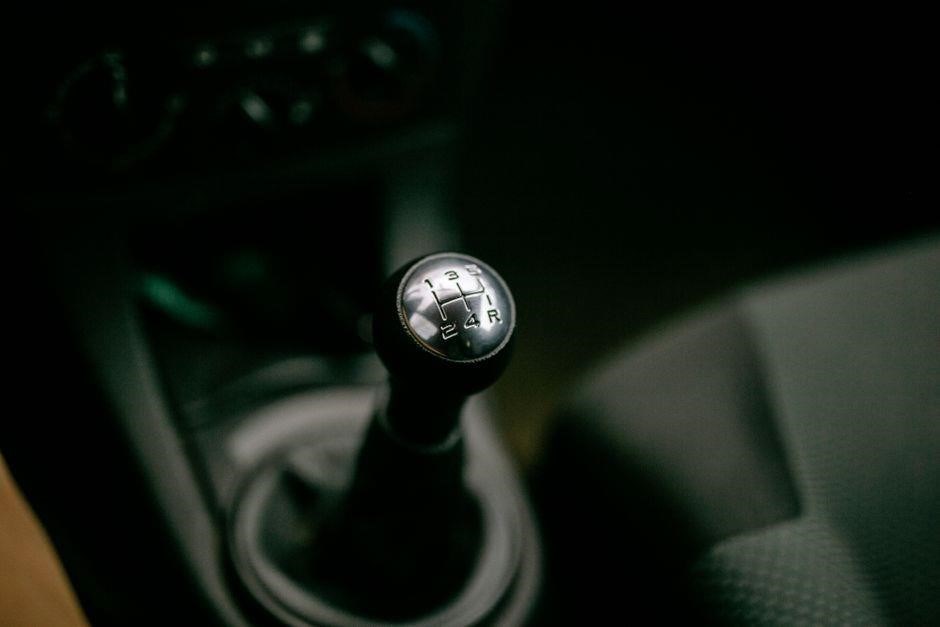
Preventive measures include regular fluid changes, ensuring correct fluid type and amount, and avoiding aggressive shifting or towing heavy loads that accelerate wear․ Vigilance and early action avoid costly repairs and keep the transmission reliable․
If worn synchronizers are suspected, schedule a diagnostic appointment․ The technician may use a transmission jack, pressure gauge, and scanner to read fault codes․ They also inspect clutch pedal travel and shift linkage․ Repair may involve replacing rings, bearings, or gear set․ Costs range from a few hundred for a rebuild to several thousand for a full replacement, depending on model and type․
Modern transmissions use lightweight alloy synchronizer rings designed to last longer, but still need proper fluid and lubrication․ Contaminated fluid can wear rings prematurely․ Use manufacturer’s recommended fluid and change at intervals․ Fresh fluid reduces friction and heat, extending life․
Worn synchronizers warn that gearbox components are deteriorating․ Ignoring them can cause catastrophic failure, such as gear tooth damage or complete seizure․ Prompt repair preserves performance, reliability, and longevity․
Fluid Issues
Fluid issues are a frequent source of bad manual transmission symptoms․ The transmission relies on a dedicated fluid to lubricate gears, cool components, and provide hydraulic pressure for clutch operation․ When the fluid level drops, the oil becomes thin, causing gears to slip or fail to engage․ A low level can result from leaks, burnt fluid, or improper top‑ups․ Symptoms include delayed engagement, grinding noises, and a sudden shift into neutral․ A dirty or contaminated fluid, often indicated by a brownish tint or metal shavings, increases friction and can wear synchronizers prematurely․ Overheating, caused by driving in high‑RPM conditions or using the wrong viscosity, also degrades the fluid’s protective properties․ The best diagnostic step is a fluid check: remove the dipstick, wipe clean, reinsert, and read the level․ If the fluid is below the minimum mark, top it up with the manufacturer’s recommended type․ If the fluid appears dark or smells burnt, a full drain and replacement are warranted․ Regular fluid changes—typically every 30,000 to 60,000 miles—prevent sludge buildup and maintain hydraulic pressure․ In some models, a transmission filter must be replaced during each change to avoid clogged passages․ Ignoring fluid problems can lead to catastrophic failure, such as gear tooth damage or a seized gearbox․ Therefore, routine inspection and timely replacement are essential for preserving transmission longevity and performance․
Regular fluid checks before long trips catch issues early, saving time and money․ A dipstick test ensures the transmission stays healthy, preventing costly repairs and keeping the vehicle running smoothly․ and enjoy peace of mind knowing your car stays reliable!
Shift Linkage Wear
Shift linkage wear causes sloppy gear engagement, a key bad manual transmission symptom․ Loose or damaged rods, bushings, or cables let the shifter slip, making the car pop out of gear or delay engagement․ Inspect for play, replace worn parts, and adjust linkage to restore smooth shifting․ Check immediately․!!
Repair and Prevention
Addressing bad manual transmission symptoms early is essential for longevity and safety․ The first step is a thorough fluid check and replacement․ Low or contaminated fluid can cause delayed gear engagement, slippage, and noise․ Use the manufacturer’s recommended grade and flush the system if the fluid is dark or smells burnt After fluid service, inspect clutch flywheel for wear, as a worn clutch can exacerbate slipping․
Next, examine the shift linkage for play or damage․ Loose or bent rods, worn bushings, or frayed cables can lead to sloppy gear engagement․ Tighten or replace components as needed, and ensure the shifter moves smoothly through all gears․ A properly adjusted linkage also reduces the risk of the car popping out of gear․ Regular inspection of the linkage can catch wear before it causes repair! ․
Synchronizers are critical for smooth shifting․ If you notice a delay, a harsh click, or the gear feels loose, the synchronizer rings may be worn․ Rebuilding the transmission or swapping out the synchronizers can restore seamless gear changes․ A rebuild kit often includes new seals and bearings for a fresh start․ This lets you inspect internal parts for wear, keeping the unit efficient daily․!
Regular maintenance schedules help prevent many of these issues․ Change fluid every 30,000 miles, check the clutch for wear every 50,000 miles, and inspect the linkage annually․ Keep the shifter in good condition by avoiding harsh shifts and ensuring the driver’s seat is positioned correctly to reduce strain on the linkage․ By staying proactive, you can avoid downtimeand keep vehicle reliable․!
Keep your manual transmission in top shape by staying vigilant, acting fast․!!
Fluid Replacement and Check
Fluid is the lifeblood of a manual transmission, and its condition directly influences gear engagement, slippage, and noise․ A common bad manual transmission symptom is a delay in gear engagement, often caused by low or dirty fluid․ The fluid should be checked at the dipstick or fill plug, and if it is below the recommended level or has a burnt smell, a full drain and refill is necessary․ Use the manufacturer’s specified transmission fluid type, typically a multi‑viscosity synthetic blend for most modern cars․
When performing a fluid change, first drain the old fluid completely, then replace the filter if the transmission has one․ After refilling, run the engine and shift through all gears, checking for smoothness and any clicking noises․ A sudden improvement after a fluid change confirms that fluid issues were the root cause of the bad manual transmission symptoms․ If problems persist, inspect the fluid for metal particles, which indicate internal wear, and consider a more thorough diagnostic․
Regular fluid checks—every 30,000 miles or 12 months, whichever comes first—are essential․ Keep a log of fluid changes and note any changes in shifting feel․ If you notice delayed engagement or a rough shift after a fluid change, it may be a sign of a failing synchronizer or worn clutch․ In such cases, a professional inspection is recommended to avoid costly repairs later․
Finally, always store the transmission fluid in a clean, dry container․ When traveling long distances, keep an eye on fluid level and temperature gauges; drops can indicate leaks․ A proactive approach, combined with routine fluid changes and linkage checks, ensures early detection of bad manual transmission symptoms, saving time
Component Rebuild or Replacement
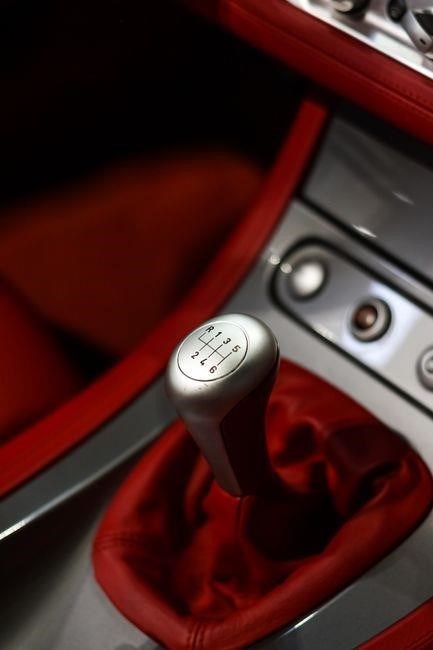
When gears grind or slip, a rebuild or replacement of clutch plates, synchronizers, or gear sets may be required․ Bad manual transmission symptoms like delayed engagement, harsh shifting, or a sudden loss of power often indicate internal wear․ Rebuilding restores harmony, while replacement fixes irreparable damage․ Check for leaks․OK
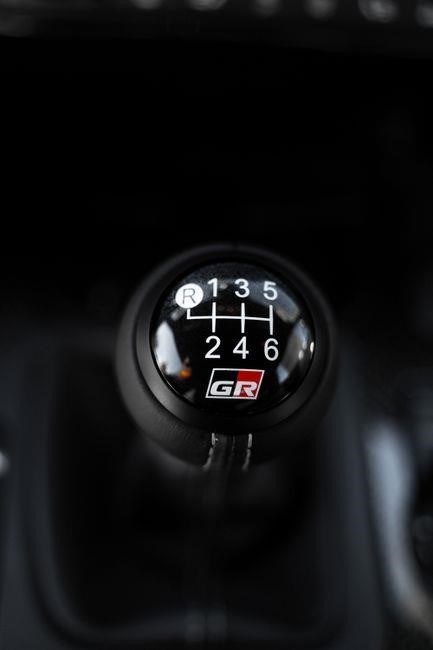
Replacement Decision
Deciding whether to replace a manual transmission is a complex decision that hinges on a blend of technical assessment, financial analysis, and long‑term ownership goals․ The first step is to examine the vehicle’s overall mileage and age․ A car that has accumulated 150,000 miles or more may already be approaching the end of its useful life, making a costly rebuild less attractive than a new unit․ Next, gather detailed repair quotes․ A typical rebuild can run anywhere from $1,500 to $3,000, depending on the make, model, and the extent of internal wear․ In contrast, a brand‑new or remanufactured transmission often costs between $3,000 and $6,000, plus labor that can add another $1,000 to $2,000․ New unit cost may exceed rebuild by a margin․ The resale value of the vehicle is another critical factor․ A well‑maintained, fully functional transmission can increase a car’s market appeal and potentially add several thousand dollars to its selling price․ Conversely, a vehicle that has suffered repeated slippage or delayed engagement may suffer a depreciation penalty․ Therefore, if you plan to sell or trade in the vehicle within the next few years, investing in a new transmission could pay off․ Reliability and longevity also play a pivotal role․ Rebuilt transmissions typically offer a lifespan of 60,000 to 80,000 miles, whereas new units can often exceed 100,000 miles under normal driving conditions․ If you intend to keep the car for a decade, a new transmission may provide a more reliable foundation․ Labor rates and warranty coverage should not be overlooked․ Many shops offer a 12‑month or 10,000‑mile warranty on rebuilt units, while new transmissions often come with a 5‑year guarantee․ Comparing these warranties can help you gauge the risk you are willing to accept․ By compiling data on cost, mileage, resale value, reliability, labor, and warranty, you can create a balanced decision matrix․ This systematic approach ensures that the final choice—repair or replacement—aligns with both your budget and your long‑term automotive goals․
Cost vs․ Repair Evaluation
When a manual transmission shows bad symptoms, the first financial question is whether a rebuild or a full replacement makes sense․ A typical rebuild costs between $1,500 and $3,000, depending on the make, model and the amount of wear․ Labor can add another $500 to $1,200, bringing the total to roughly $2,000–$4,200․ A new or remanufactured unit, however, usually runs from $3,000 to $6,000, plus labor that can add another $1,000 to $2,000․ That puts the replacement cost in the $4,000–$8,000 range․ The next factor is mileage and expected longevity․ Rebuilt transmissions often last 60,000–80,000 miles, while new units can exceed 100,000 miles under normal use․ If the vehicle already has 120,000 miles, a rebuild may be the only economical choice․ Warranty coverage also matters․ Many shops offer a 12‑month or 10,000‑mile warranty on rebuilds, whereas new units typically come with a 5‑year guarantee․ The resale value is another consideration; a vehicle with a new transmission can fetch a higher price, especially if the buyer is concerned about future repairs․ Finally, consider the cost of downtime․ A rebuild may take 4–6 hours, while a replacement could take 8–10 hours․ If the vehicle is essential for daily commuting, the longer downtime could translate into lost wages or inconvenience․ By weighing these variables—direct cost, mileage, warranty, resale impact, and downtime—you can make an informed decision that balances short‑term expense with long‑term reliability․ Additionally, factor in the cost of ancillary repairs, such as clutch replacement or transmission mount replacement, which can add another $500 to $1,000 to the total expense and the future mileage․ Consider options․ !!