Guide coat powder is a dry coating utilized to reveal surface imperfections, ensuring optimal preparation before painting or powder coating applications.
Its primary purpose is to highlight scratches, dents, and irregularities invisible to the naked eye, aiding in thorough surface assessment.
Common applications span automotive refinishing, aerospace manufacturing, and general industrial coating processes, guaranteeing high-quality finishes.
1.1 What is Guide Coat Powder?
Guide coat powder represents a specialized coating material, typically a very thin layer of pigment suspended in a solvent or resin system, applied to a surface before further finishing processes. It isn’t a coating intended for lasting protection or aesthetic appeal itself, but rather a diagnostic tool. Commonly, it’s a dry powder, meaning it doesn’t require a liquid carrier for application, though liquid suspensions also exist.
The composition often includes finely ground pigments – black being the most prevalent due to its high contrast against lighter substrates – along with binders and solvents designed for easy application and removal. This powder adheres temporarily, creating a uniform film that acts as a visual indicator. Its key characteristic is its ability to bridge minor surface imperfections, making them readily visible upon inspection. The powder’s function is to reveal flaws, not conceal them, making it invaluable in preparation stages.
1.2 Purpose of Using Guide Coat
The fundamental purpose of employing guide coat is to visually amplify surface defects that would otherwise remain undetected during preparation for painting or powder coating; These imperfections – scratches, dents, pinholes, or unevenness – can compromise the final finish’s quality and durability if left unaddressed. The guide coat acts as a contrasting layer, highlighting these flaws by creating a visual disruption in the coating’s uniformity.
By revealing these issues, technicians can then perform necessary corrective actions, such as sanding, filling, or reshaping, ensuring a flawlessly smooth substrate. This meticulous preparation is crucial for achieving optimal adhesion, preventing coating failures, and maximizing the longevity of the applied finish. Ultimately, the guide coat’s role is to guarantee a high-quality, long-lasting, and aesthetically pleasing result.
1.3 Common Applications
Guide coat powder finds widespread use across diverse industries demanding high-quality surface finishes. In the automotive refinishing sector, it’s essential for identifying imperfections during bodywork repairs, ensuring seamless paint blending and a flawless appearance. The aerospace industry utilizes guide coats for critical inspection of aircraft components, guaranteeing structural integrity and adherence to stringent safety standards.
General industrial coating processes, including metal fabrication and manufacturing, also benefit significantly. Applications extend to preparing surfaces for powder coating, where proper adhesion is paramount. Furthermore, it’s valuable in evaluating paintwork quality, confirming complete coverage and identifying any inconsistencies. Essentially, any application requiring a smooth, defect-free coated surface can leverage the benefits of guide coat technology.
Types of Guide Coat Powder
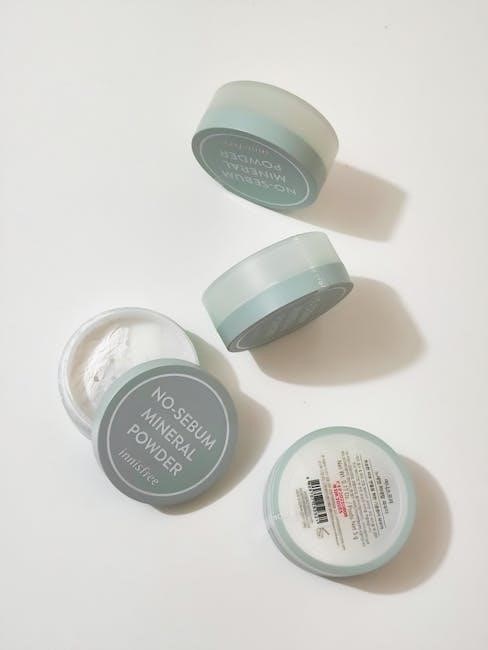
Guide coat powders vary in color and composition, with black dry coats for light surfaces being common, alongside colored options for contrast.
Formulations utilize diverse materials to achieve optimal visibility and adherence during surface inspection processes.
2.1 Black Dry Guide Coat for Light Surfaces
Black dry guide coat is specifically formulated for application onto lighter-colored substrates, providing a stark contrast that dramatically enhances the visibility of surface defects. This type of guide coat excels at revealing imperfections such as scratches, dents, pinholes, and inconsistencies in body filler or paintwork.
Its “dry” nature refers to the powder’s composition – a finely ground mixture designed to adhere to the surface without requiring a solvent carrier, simplifying application and minimizing the risk of solvent-related issues. The excellent covering properties ensure even distribution, maximizing defect detection. It’s a preferred choice for automotive body repair, where identifying subtle imperfections is crucial for achieving a flawless finish. The powder’s ability to cling to irregularities makes it invaluable for pre-painting inspection, ensuring proper surface preparation before the final coat is applied, ultimately contributing to a durable and aesthetically pleasing result.
2.2 Colored Guide Coats (Beyond Black)
While black dry guide coat remains the most prevalent choice, colored guide coats offer distinct advantages in specific applications. These alternatives, often available in shades like red or blue, are particularly useful when working with dark-colored substrates where black guide coat lacks sufficient contrast for effective defect detection.
The selection of color depends on the base coat; for instance, a red guide coat stands out prominently on black surfaces. Colored options can also aid in differentiating between multiple layers of paint or filler, allowing technicians to pinpoint the source of imperfections more accurately. They provide a visual cue for areas requiring further attention, improving the efficiency of surface preparation. Utilizing colored guide coats expands the versatility of the technique, ensuring optimal results across a wider range of projects and substrate colors, enhancing overall quality control.
2.3 Powder Composition and Materials
Guide coat powder typically comprises a finely ground mixture of pigment, resin, and solvent, formulated to create a thin, easily applied coating. The pigment, traditionally carbon black, provides the contrasting color necessary to highlight surface flaws. However, as mentioned, alternative pigments enable colored guide coats.
The resin component, often a thermoplastic or thermosetting polymer, acts as a binder, ensuring the powder adheres to the substrate. Solvents, crucial for application methods like spraying, facilitate even distribution and quick drying. Additives may be included to enhance flow, leveling, and overall coating performance. The specific composition varies depending on the intended application and desired properties, such as drying time and film thickness. Quality materials are essential for reliable defect detection and optimal surface preparation.
Surface Preparation for Guide Coat Application
Proper preparation is vital; cleaning removes contaminants, abrading creates a key for adhesion, and masking protects adjacent areas from unwanted coating.

3.1 Cleaning the Substrate
Thorough cleaning of the substrate is the foundational step in preparing for guide coat application, directly impacting the coating’s ability to accurately reveal imperfections. Removing all traces of contaminants – including dirt, grease, oil, wax, and previous coatings – is absolutely crucial. This often begins with a solvent wipe, utilizing appropriate cleaners designed for the specific material being prepared, such as automotive body panels or metal components.
Degreasers are particularly effective at lifting oily residues, while specialized cleaners address stubborn contaminants like silicone. Following solvent cleaning, a water wash can help remove any remaining residue, ensuring a pristine surface. It’s essential to allow the substrate to completely dry before proceeding to the next preparation stage, as any moisture can interfere with the guide coat’s adhesion and visibility. A clean surface guarantees optimal contrast and accurate defect detection.
3.2 Abrading the Metal Surface
Abrading the metal surface is a critical step following cleaning, designed to create a mechanical key for the guide coat and further reveal existing imperfections. This process involves using abrasive materials, such as sandpaper or abrasive pads, to lightly roughen the surface. The grit selection depends on the initial surface condition; heavier grits address significant imperfections, while finer grits refine the surface for optimal guide coat adhesion.
The goal isn’t to remove material aggressively, but rather to create a uniform texture that enhances the guide coat’s visibility of subtle scratches, dents, and irregularities. Consistent abrasion across the entire surface is vital, avoiding localized areas of excessive or insufficient roughness. After abrading, it’s essential to remove all abrasive dust thoroughly, typically using a tack cloth or compressed air, ensuring a clean base for guide coat application.
3.3 Masking Adjacent Surfaces
Masking adjacent surfaces is a crucial preparatory step to ensure the guide coat is applied only to the intended area, preventing unwanted coating on surrounding components. This is achieved using masking tape, paper, or plastic sheeting, carefully applied to define the boundaries of the inspection zone. Precision is key; any gaps or imperfections in the masking can lead to inaccurate assessments due to guide coat overspray.
The choice of masking material depends on the complexity of the shape and the application method of the guide coat. For intricate designs, flexible masking tape is preferred, while larger, flat areas can utilize masking paper. After application, ensure the masking is firmly adhered to the surface to prevent lifting during the coating process. Thorough masking protects valuable parts and guarantees a clear, focused inspection;

Application Methods of Guide Coat Powder
Guide coat powder application utilizes techniques like gravure rolls, rods and blades, or spray methods, ensuring even distribution for effective defect highlighting.
4.1 Gravure Rolls Application
Gravure roll application represents a highly efficient method for applying guide coat powder, particularly in high-volume production environments. This technique employs precisely etched rolls that transfer a consistent and uniform layer of powder onto the substrate’s surface.
The depth and pattern of the etching on the roll directly influence the coating thickness, allowing for precise control over the applied layer. This method is exceptionally well-suited for flat surfaces and offers excellent coverage, minimizing powder waste. Maintaining consistent roll pressure and speed are crucial for achieving uniform results.
Regular cleaning of the gravure rolls is essential to prevent build-up and ensure consistent powder transfer. This application method is favored for its speed, efficiency, and ability to deliver a thin, even coat, making it ideal for pre-coating inspection processes.
4.2 Rods and Blades Application
Rods and blades application provides a versatile and cost-effective method for applying guide coat powder, especially for smaller areas or complex geometries. This technique involves using a rod or blade – often made of metal or plastic – to spread the powder evenly across the surface.
The thickness of the coating is primarily controlled by the gap between the rod/blade and the substrate. A smaller gap results in a thinner coat, while a larger gap yields a thicker application. This method allows for localized application, making it suitable for targeted inspection areas.
Consistent pressure and speed during application are vital for achieving uniform coverage. It’s a manual process requiring operator skill, but offers flexibility and is easily adaptable to various surface shapes. Careful cleaning of the rods and blades is necessary to prevent contamination and ensure consistent results.
4.3 Spray Application Techniques
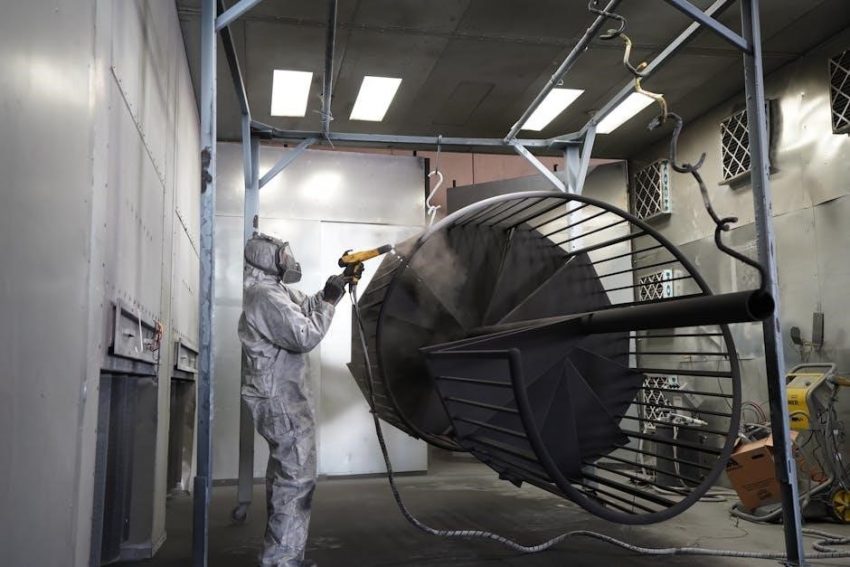
Spray application of guide coat powder offers a rapid and efficient method for covering larger surfaces, ensuring consistent coating thickness and minimizing material waste. This technique typically employs compressed air to atomize and propel the powder onto the substrate.
Several spray methods exist, including conventional air spray, HVLP (High Volume Low Pressure), and electrostatic spraying. Electrostatic spraying, in particular, enhances powder adhesion by imparting a charge to the particles. Maintaining proper spray distance, angle, and pressure are crucial for achieving uniform coverage.
Careful control of air flow and powder feed rate is essential to prevent clumping or uneven distribution. Operators must wear appropriate respiratory protection during spraying. Post-application, any overspray should be carefully removed to avoid interference with subsequent inspection processes.
Curing and Drying Processes
Curing involves solvent drying or reaching film-forming temperatures, crucial for guide coat powder adhesion and revealing imperfections effectively.
Optimal thickness is achieved through controlled conditions.
5.1 Solvent Drying Methods
Solvent drying methods are fundamental to guide coat powder application, relying on the evaporation of the carrier solvent to leave behind a thin, revealing film. The selection of the solvent significantly impacts drying time and the final coating characteristics. Typically, these solvents are chosen for their compatibility with the powder composition and their ability to evaporate cleanly without leaving residue.
Proper ventilation is paramount during solvent drying to ensure worker safety and prevent the buildup of flammable vapors. Drying times are influenced by factors such as temperature, humidity, and airflow. Lower temperatures and higher humidity will extend drying times, while increased airflow and warmth accelerate the process. Careful control of these parameters is essential for achieving consistent and reliable results. The goal is a uniformly dry coating that accurately highlights surface imperfections without compromising the subsequent coating process.
5.2 Film-Forming Temperatures
Film-forming temperatures play a crucial role in guide coat powder performance, particularly with formulations utilizing thermoplastic resins. These temperatures dictate the point at which the powder particles coalesce and create a continuous, cohesive film capable of effectively highlighting surface defects. Achieving the correct temperature is vital; too low, and the film remains powdery and incomplete, while too high can lead to degradation or distortion of the coating.
The optimal temperature range varies depending on the specific powder composition, but generally falls between room temperature and moderately elevated levels, often achieved through gentle warming of the substrate. Consistent temperature control is essential for uniform film formation across the entire surface. Monitoring and adjusting the temperature ensures the guide coat accurately reveals imperfections, facilitating effective surface preparation before subsequent coating applications.

5.3 Achieving Optimal Coating Thickness
Optimal coating thickness is paramount for effective defect detection with guide coat powder. A film that’s too thin may not adequately highlight subtle imperfections, leading to missed areas during surface preparation. Conversely, an excessively thick layer can obscure fine details and complicate the inspection process, potentially masking critical flaws.
Generally, a very light, uniform coating is desired – just enough to provide sufficient contrast without overwhelming the surface texture. Application methods like gravure rolls, rods, or spray techniques must be carefully controlled to achieve this balance. Factors like powder density, application speed, and substrate temperature all influence thickness. Visual inspection, alongside experience, helps determine if the coating is within the ideal range, ensuring reliable identification of scratches, dents, and irregularities.
Identifying Imperfections with Guide Coat
Guide coat powder dramatically highlights scratches, dents, and surface irregularities, making them readily visible for repair before applying finish coats.
It assesses paintwork quality.
6.1 Highlighting Scratches and Dents
Guide coat powder excels at revealing even the most subtle scratches and dents on a prepared surface. The contrasting color, typically black applied to lighter substrates, creates a visual map of imperfections. These flaws, often invisible under normal lighting conditions, become prominently displayed as deviations in the coating’s uniformity.
This visual feedback is crucial for effective surface preparation. Technicians can quickly and accurately identify areas requiring further abrasion, filling, or smoothing. Ignoring these imperfections can lead to compromised paint adhesion, uneven finishes, and ultimately, a reduced lifespan for the coating. The powder’s ability to accentuate these defects ensures a flawless foundation for subsequent layers, contributing to a durable and aesthetically pleasing result. Proper scratch and dent repair, guided by the coat, is paramount.
6.2 Revealing Surface Irregularities
Guide coat powder doesn’t just expose scratches and dents; it’s remarkably effective at revealing broader surface irregularities. These can include subtle waves, distortions from prior repairs, or inconsistencies in the substrate’s original form. The applied powder layer acts as a thin film, faithfully mirroring any undulations present beneath it.
These irregularities, if left unaddressed, can manifest as visible imperfections in the final coating, impacting both aesthetics and protective qualities. The guide coat allows for targeted correction, ensuring a uniformly smooth surface. This is particularly vital in automotive bodywork and aerospace applications where precise surface contours are critical. Identifying and rectifying these subtle flaws, facilitated by the powder, guarantees a professional-grade finish and long-term coating integrity.
6.3 Assessing Paintwork Quality
Guide coat powder proves invaluable when evaluating the quality of existing paintwork before further coating applications. It readily highlights areas where paint adhesion is poor, revealing lifting, cracking, or contamination beneath the surface. This assessment is crucial for determining whether sanding, stripping, or complete removal of the old paint is necessary.
The powder’s contrasting color makes it easy to identify inconsistencies in paint thickness or blending from previous repairs. It exposes imperfections like orange peel, runs, or sags, allowing for targeted rectification. By pinpointing these flaws, technicians can ensure a flawless base for subsequent coats, maximizing the durability and aesthetic appeal of the final finish. Proper assessment, aided by guide coat, prevents costly rework and guarantees a professional result.

Guide Coat in Powder Coating Processes
Guide coat powder is essential for pre- and post-coating inspection, verifying proper adhesion, coverage, and identifying any surface flaws before curing.
7.1 Pre-Coating Inspection
Prior to powder coating, applying a guide coat powder is a crucial step in ensuring a flawless final product. This involves a thin, contrasting layer applied to the substrate, meticulously revealing any existing imperfections that require attention. These imperfections can include subtle scratches, dents, pinholes, or contaminants that might otherwise be overlooked during a visual inspection.
The guide coat acts as a visual amplifier, making these flaws readily apparent. Addressing these issues before powder coating prevents them from being magnified or concealed beneath the final coating, which could compromise its integrity and aesthetic appeal. Thorough pre-coating inspection, facilitated by the guide coat, minimizes rework, reduces material waste, and ultimately enhances the durability and quality of the powder-coated finish. It’s a proactive measure for superior results.
7.2 Post-Coating Inspection
Following powder coating application, a guide coat can still play a vital role in quality control. While primarily used for pre-treatment assessment, a light application post-coating can reveal inconsistencies in powder coverage or adhesion. This is particularly useful in complex geometries or areas prone to shadowing, where uniform coating thickness is critical.
Any areas where the guide coat is visible through the powder coating indicate insufficient film build or potential adhesion issues. This allows for targeted rework, such as re-coating specific sections, before the part proceeds further in the manufacturing process. Post-coating inspection with a guide coat ensures complete and consistent coverage, maximizing the protective and aesthetic benefits of the powder coating, and preventing premature failure or corrosion.
7.3 Ensuring Adhesion and Coverage
Guide coat application is instrumental in verifying proper adhesion of the powder coating to the substrate. By carefully examining areas previously marked with the guide coat after the coating process, technicians can confirm whether the powder has fully enveloped and bonded to the surface.
If the guide coat remains visible, it signals a potential adhesion failure, often stemming from inadequate surface preparation or improper curing. This allows for immediate corrective action, preventing costly rework or field failures. Furthermore, the guide coat highlights any areas with insufficient powder coverage, ensuring a uniform and protective finish. Consistent application of this technique guarantees long-term durability and performance, safeguarding against corrosion and extending the lifespan of the coated component.