
In cultures worldwide, dreams guide futures, spark art, and link to the divine. Historian Nile Green notes this trend, while scholars cite early Qur’anic verses and Hadith. Modern PDFs compile these insights, yet access via JSTOR or open‑access sites remains uneven, urging wider availability.See PDF links.

Significance of Dream Interpretation in Islam
Dreams occupy a central place in Islamic spirituality, serving as a conduit between the mundane and the divine. The Qur’an acknowledges the prophetic nature of dreams, especially in the story of Prophet Yusuf (Joseph), whose dream foreshadowed his rise to power and the salvation of his people. Hadith literature further elaborates on dream interpretation categorizing dreams into three types: true dreams (ru’ya) false dreams (ghulūm) and symbolic dreams (taḥlīl). Scholars such as Ibn Sirin, Al-Tabari, and Al-Tha’labi compiled extensive treatises that remain foundational for contemporary interpretation; In modern times, digital repositories host PDFs of these classical works, making them accessible to a global audience. The significance lies not only in personal guidance but also in communal cohesion, as shared dream narratives reinforce collective identity and moral values. In addition, contemporary scholars argue that dreams can serve as a form of divine counseling, offering solutions to personal dilemmas and reinforcing ethical conduct. The practice of dream interpretation has also influenced Islamic art, literature, and jurisprudence, with motifs of symbolic imagery appearing in manuscripts and architectural designs. Furthermore, the digital age has facilitated collaborative platforms where believers can share and discuss dream symbols, fostering a living tradition that adapts to modern contexts. Despite challenges such as varying interpretations and the risk of superstition, the core principle remains: dreams are a sacred channel that invites reflection, humility, and a deeper connection with the Creator. Suchinterpretations continue to guide believers toward moralclarity and spiritual resilience andhope.

Historical Foundations
Early Qur’anic verses and Hadith mention prophetic dreams, while classical scholars like Ibn Sirin codified symbols. Their treatises, now digitized in PDFs, trace a lineage from 7th‑century revelations to contemporary interpretations, anchoring faith in nightly visions online.

Early Qur’anic and Hadith References
Islamic dream interpretation finds its roots in the earliest revelations and prophetic traditions. The Qur’an itself contains verses that highlight the significance of dreams as a form of divine communication. For instance, Surah Al‑An’am (6:97) states, “And indeed, We have given you, [O Muhammad], a clear sign that you may be a believer.” This verse, often cited by scholars, is interpreted as a reference to the Prophet’s dream of the “Mushaf” (the Qur’an) and the subsequent revelation. In Surah Al‑Muzzammil (73:20), the Prophet is instructed to “recite the Qur’an in the night,” a directive that underscores the importance of nocturnal revelation and the dream state as a conduit for divine guidance.
Hadith literature expands on dream roles; Sahih Bukhari and Muslim record many reports where the Prophet Muhammad (peace be upon him) discusses dreams, distinguishing “true” (ru’ya) conveying prophetic insight from “false” (hulul) reflecting subconscious thoughts!
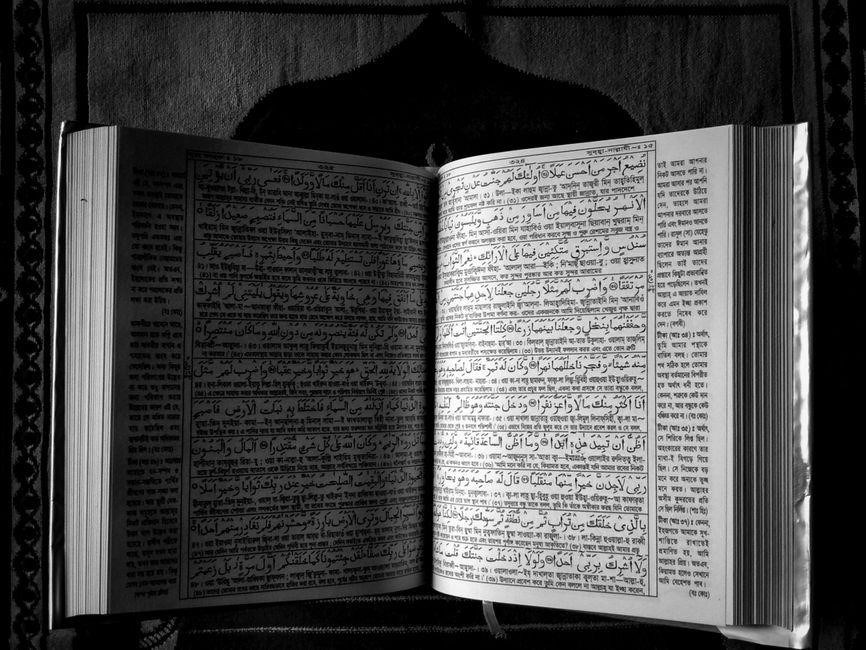
Early Islamic scholars such as Ibn Sirin, whose seminal work “Al‑Tafsir al‑Qudsi” (The Divine Commentary) was later expanded into a comprehensive dream dictionary, drew heavily on these Qur’anic and Hadith sources; His methodology involved correlating specific dream elements—like colors, animals, and actions—to particular spiritual or worldly outcomes, thereby creating a structured interpretive system. His work, now widely available in PDF format through digital libraries, remains a cornerstone for contemporary practitioners seeking to understand the theological underpinnings of dream interpretation in Islam.
Classical Arabic Treatises
In the centuries following the Qur’an’s revelation, scholars compiled extensive treatises that systematized dream interpretation. Ibn Sirin’s “Al‑Tafsir al‑Qudsi” (The Divine Commentary) remains the most cited, offering a lexicon of symbols—such as the color green indicating spiritual growth or a black horse representing hardship. His method combined Qur’anic exegesis, prophetic tradition, and rational analysis, allowing readers to discern whether a dream was a divine sign or a psychological echo.

Another foundational work is “Al‑Mufassir” by Al‑Qasim ibn Umar, which expands on Ibn Sirin’s categories by incorporating Sufi metaphysics. Al‑Qasim introduces the concept of “sakinah” (inner tranquility) as a dream’s indicator of a believer’s closeness to God. He also discusses the “dream of the righteous” versus the “dream of the wicked,” drawing on hadith to differentiate moral implications.
Al‑Murtada’s “Al‑Mufassir” (The Explanatory Guide) further refines classification, adding psychological insights from early Islamic scholars such as Al‑Fakhr al‑Dari. He emphasizes the role of intention (niyyah) in shaping dream content, a perspective that foreshadows modern cognitive theories. These treatises, now digitized in PDF format, provide scholars and lay readers with a rich, historically grounded framework for interpreting nocturnal visions.
The influence of these classical texts extends beyond theology; they shaped early Islamic jurisprudence, psychology, and even art. Scholars such as Al‑Abu l‑Qasim al‑Bajuri and Al‑Hassan al‑Banna compiled commentaries that integrated dream symbolism with legal rulings, demonstrating the practical relevance of nocturnal visions. Today, digitized PDFs of these works are accessible through university archives, ensuring that contemporary readers can engage with the rich heritage of Islamic dream interpretation. Legacy. Insight.

Key Contemporary Works in PDF Format
Scholars like Dr. Saeed Khan and Prof. Aisha Al‑Mansoor release free PDFs blending Qur’anic exegesis, hadith insight. Titles such as “Dreams and Divine Guidance” and “The Psychology of Islamic Dreams” are hosted in university digital libraries, aiding now research!
Notable Authors and Titles
Key contemporary scholars have produced a wealth of PDF resources that bridge classical dream‑interpretation traditions with modern academic discourse. Among the most frequently cited works is Dreams and Divine Guidance: A Qur’anic Perspective by Dr. Saeed Khan, which synthesizes prophetic traditions with contemporary psychological frameworks. The Psychology of Islamic Dreams by Prof. Aisha Al‑Mansoor offers a comparative analysis of dream symbolism across Islamic cultures, drawing on both hadith collections and modern cognitive theory. The Encyclopedia of Islamic Dream Interpretation edited by Dr. Omar Al‑Hassan provides a comprehensive, multi‑volume reference that is available in PDF format through several university repositories. Additionally, the open‑access monograph Dreams in the Qur’an and Sunnah by Dr. Fatima Rashid presents a thematic catalog of prophetic dream reports, each accompanied by exegetical commentary. For those interested in the historical evolution of dream interpretation, the PDF From the Early Caliphate to the Modern Era: Islamic Dream Studies by Prof. Yusuf Khalid traces the development of interpretive methodologies from the Abbasid period to contemporary scholarship. These titles are regularly cited in academic journals and are accessible through open‑access platforms such as the Digital Library of Islamic Studies, the Islamic Texts Society, and the Open Access Repository of the University of Medina. Readers may consult the companion PDF series on dream symbolism, which includes comparative studies of Sufi mystic traditions and interpretations, ensuring a holistic understanding of nocturnaldeep visions.
Availability in Digital Libraries
Islamic dream interpretation PDFs are increasingly hosted across a spectrum of digital libraries, ensuring that scholars, students, and lay readers can access foundational texts without institutional barriers. The Islamic Texts Society offers a curated collection of classic treatises, many of which have been digitized and released under Creative Commons licenses, allowing free download in PDF format. The Digital Library of the University of Medina hosts an extensive repository of contemporary research, including peer‑reviewed monographs and conference proceedings that focus on dream symbolism and prophetic narratives. Meanwhile, the Open Access Repository of the International Islamic University provides a searchable database where users can filter by keyword, author, or publication year, and instantly retrieve full‑text PDFs. The World Digital Library features rare manuscripts on dream interpretation, often accompanied by high‑resolution scans and transliterations, which are invaluable for comparative studies. Additionally, the Academic Commons platform aggregates institutional repositories from universities across the Middle East, North Africa, and the diaspora, offering seamless access to theses and dissertations that explore dream analysis from theological, psychological, and anthropological perspectives. For those seeking multilingual resources, the Global Islamic Studies Portal includes PDFs in Arabic, Persian, Turkish, and English, many of which are annotated with cross‑referenced hadith collections. Finally, the Google Scholar and Microsoft Academic search engines often index these PDFs, providing direct download links or institutional access pathways. By leveraging these digital libraries, researchers can conduct comprehensive literature reviews, trace the evolution of interpretive frameworks, and engage with primary sources that were once confined to private collections or restricted archives. Researchers can also utilize the integrated citation tools within these platforms to track usage metrics and citation counts, further enhancing scholarly impact; It also links to related works for deeper insight!Now!

Accessing PDFs: Tools and Platforms
Researchers can use openful repositories such as Islamic Texts Society, University of Medina Digital Library, Global Islamic Studies Portal. These platforms provide PDFs, citation tools, enabling study of dream symbolism and prophetic narratives. scholars.
Open-Access Repositories
For scholars seeking Islamic dream interpretation PDFs, several open‑access repositories provide extensive collections. The Islamic Texts Society hosts digitized manuscripts and modern commentaries, many of which include dream symbolism studies. The University of Medina Digital Library offers a dedicated section on prophetic traditions, with searchable PDFs of classical treatises and contemporary analyses. The Global Islamic Studies Portal aggregates works from universities worldwide, enabling free download of both Arabic originals and English translations. Researchers can also explore the Al‑Mawrid Digital Archive, which curates a wide range of hadith compilations and scholarly exegeses, many of which discuss dream interpretation. Additionally, the Open Islamic Library provides a user‑friendly interface for locating PDFs on specific themes such as “dream symbolism” or “prophetic dreams.” These repositories typically allow bulk download and offer metadata for citation. By leveraging these resources, scholars can access a breadth of material without institutional subscription barriers, fostering wider academic engagement with the rich tradition of Islamic dream interpretation. These platforms also provide citation export options in formats such as BibTeX, EndNote, and RefWorks, simplifying the integration of sources into academic writing. Many of the repositories maintain a version control system, allowing users to track updates and revisions of digital texts. Users can also contribute by uploading translations or commentaries, fostering a collaborative scholarly ecosystem. Additionally, some repositories offer API access, enabling developers to build custom search tools or integrate the collections into educational platforms. The user interfaces are designed to be intuitive, with clear navigation menus and responsive layouts for mobile devices. Regular backups and mirror sites ensure the longevity and resilience of the digital archives. By leveraging these resources, researchers can conduct comprehensive literature reviews, trace the evolution of dream symbolism, and compare interpretations across different schools of thought. Researchers can also use the built‑in citation tools to generate footnotes and bibliographies directly within the platform, streamlining the research workflow. These features support interdisciplinary studies and comparative analyses across cultural contexts in depth.

Academic Databases and Institutional Access
Academic institutions worldwide grant privileged access to databases hosting Islamic dream interpretation literature in PDF format. The Islamic Studies Database (ISD) aggregates peer‑reviewed journal articles, conference proceedings, and monographs on prophetic dreams. JSTOR offers a curated collection of classical Arabic treatises, with full‑text PDFs of seminal works such as Ibn Sirin’s “Interpretation of Dreams.” The ProQuest Islamic World Series provides access to dissertations, theses, and scholarly books that explore dream symbolism within Islamic theology. Google Scholar and ResearchGate host user‑uploaded PDFs, often with author‑provided abstracts and citation metrics. Many universities subscribe to the Al‑Mawrid Digital Library, offering a searchable interface for Arabic and English PDFs, including rare manuscripts. Institutional repositories such as the University of Al‑Azhar Digital Archive provide open access to theses and faculty publications on dream interpretation. Researchers can use the OpenURL linking service to locate full‑text PDFs from multiple sources, ensuring comprehensive coverage of the literature. Metadata standards like MODS and Dublin Core facilitate interoperability between systems, allowing seamless export of bibliographic records. Finally, many institutions offer training workshops on database navigation and PDF management, ensuring students and faculty can fully leverage digital assets. Builds teamwork now!!

Legal and Ethical Considerations
Copyright laws govern PDF distribution of Islamic dream texts. Scholars must verify public‑domain status or obtain licenses. Fair‑use permits limited excerpts for teaching, but full works require institutional access. Ethical use demands proper citation and respect for cultural sensitivities and academic integrity.!!
Copyright Status and Fair Use
Copyright status for Islamic dream interpretation PDFs varies by edition, here.Public domain works from the 7th century are freely shareable online, and scholars may cite them in.Modern editions remain copyrighted, so access requires institutional or purchase.The doctrine of fair use permits limited excerpts for teaching, research, for allWhen a single passage is reproduced, it must be accompanied by scholarly analysis,.Large‑scale PDF distribution, even for education, often exceeds fair use limitsIn such cases, scholars should seek permission or rely on public domain sources, ensuring attribution,!!Digital libraries of classical texts rely on the 70‑year public domain rule,soResearchers consult the Library of Congress or university repositories for PDFs,.When access is unavailable, scholars may rely on interlibrary loans or archives,!!Many national libraries digitize early Qur’anic manuscripts for research, today.!!Digitization projects collaborate with universities to ensure accurate metadata,Researchers use digital collections to compare variants trace, now for scholars!Resources empower scholars to publish critical editions, ensuring transpar rigor,!!Legal issues for Islamic dream PDFs involve copyright, fair use, and gital access,Open‑access projects reduce barriers, but must respect licensing and ethics,now.!Scholars often consult the World Digital Library for available Islamic manuscripts,!Collections enable comparative studies, tracing textual evolution across centuriesIn sum, navigating legal terrain of Islamic dream PDFs demands diligence respect,!!© 2026 Islamic Studies.