Nick Bare Hybrid Training Program: A Comprehensive Overview (Updated April 28, 2026)
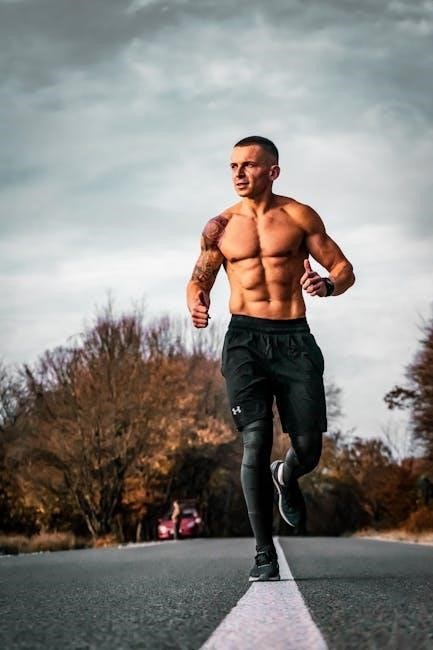
The pursuit of peak physical condition increasingly favors blended approaches, mirroring the rise of “hybrid athletes” – individuals expertly combining strength and cardiovascular endurance․
This program, gaining traction since its initial publication in November 2023, represents a challenging yet rewarding path, demanding dedication and a strategic approach to training․
Understanding the nuances of this methodology is crucial for anyone seeking to unlock its full potential and avoid the pitfalls of overtraining or injury․
What is Hybrid Training?
Hybrid training represents a departure from traditional, siloed fitness approaches, instead embracing the synergistic benefits of combining diverse training modalities․ It’s not simply doing a bit of everything; it’s a carefully orchestrated blend of strength work, cardiovascular exercise, and often, functional fitness elements like rucking – a cornerstone of Nick Bare’s methodology․
The core idea is to build a well-rounded athlete capable of excelling in a variety of physical challenges․ Unlike specialization, which focuses on maximizing performance in a single discipline, hybrid training aims for broad competence and resilience․ This approach acknowledges that real-world demands rarely fit neatly into one category․
As highlighted by the growing community of “hybrid athletes,” this method isn’t without its challenges․ It requires a nuanced understanding of periodization, recovery, and individual limitations to avoid overtraining and injury․ The program’s popularity, emerging since late 2023, demonstrates a shift towards holistic fitness․
The Core Principles of Bare’s Hybrid Approach
Nick Bare’s hybrid training philosophy centers around building a foundation of robust strength coupled with exceptional cardiovascular endurance, preparing individuals for both physical and mental challenges․ A key tenet is avoiding specialization, instead fostering all-around athleticism and resilience․
The program emphasizes consistent, progressive overload – gradually increasing the demands placed on the body to stimulate adaptation․ This isn’t about reckless intensity, but rather smart, calculated progression․ Rucking, a non-negotiable element, builds grit and endurance simultaneously․
Bare’s approach also prioritizes functional movement patterns, preparing the body for real-world tasks․ Since gaining traction in late 2023, the program’s core principles have resonated with those seeking a holistic, demanding, and ultimately rewarding fitness journey, moving beyond traditional training paradigms․
Nick Bare’s Background and Philosophy
Nick Bare’s fitness journey began with a transformative experience in the military, specifically within the rigorous demands of Army Ranger School․ This crucible forged his belief in a training methodology that transcends singular fitness goals, emphasizing comprehensive physical and mental fortitude․
His philosophy isn’t simply about aesthetics; it’s about building individuals capable of overcoming adversity․ Bare observed that traditional fitness models often created imbalances, leaving individuals strong in some areas but deficient in others․
The hybrid approach, popularized since late 2023, is a direct response to this observation․ It’s rooted in the idea that true fitness is about being prepared for anything, a concept deeply influenced by his military background and a desire to share effective, holistic training․

Program Components & Structure
The Nick Bare Hybrid Training Program strategically integrates weightlifting, cardiovascular work, rucking, and targeted accessory exercises for balanced development and resilience․
This multifaceted structure aims to cultivate well-rounded fitness, mirroring the demands faced by hybrid athletes seeking peak performance․
Weightlifting Component: Strength Focus
The weightlifting portion of the Nick Bare Hybrid Training Program isn’t solely about maximal strength gains, but rather building a robust foundation applicable to all facets of physical performance․
Expect a focus on compound movements – squats, deadlifts, bench press, and overhead press – forming the core of the strength work․ These exercises promote overall muscle development and functional strength․
Programming typically incorporates a blend of rep ranges, from lower reps for strength to moderate reps for hypertrophy, ensuring a comprehensive approach․
Progressive overload is a key principle, meaning weight or resistance is systematically increased over time to continually challenge the muscles and drive adaptation․
The program acknowledges the need for strength to support endurance activities, and vice-versa, creating a synergistic effect that enhances overall athleticism․
Proper form and technique are paramount, minimizing injury risk and maximizing effectiveness․
Cardiovascular Training: Endurance Building
The cardiovascular component of Nick Bare’s program isn’t limited to steady-state cardio; it’s a multifaceted approach designed to build both aerobic and anaerobic endurance․
Expect a variety of modalities, including running, rowing, swimming, and cycling, each offering unique benefits and challenges․
Interval training plays a significant role, alternating between high-intensity bursts and periods of recovery, improving cardiovascular efficiency and speed․
Longer, slower distance work is also incorporated to build a strong aerobic base, enhancing the body’s ability to utilize oxygen effectively․
The program strategically integrates cardio with weightlifting, often utilizing it as active recovery or as a conditioning element post-strength training․
This blended approach ensures that cardiovascular fitness doesn’t detract from strength gains, but rather complements and enhances them․
Rucking: The Signature Bare Element
Rucking, walking with a weighted backpack, is arguably the most defining characteristic of Nick Bare’s hybrid training philosophy․
It’s not simply about adding weight to a walk; it’s a deliberate method for building functional strength, endurance, and mental fortitude․
The program incorporates rucking at varying distances and weights, progressively increasing the challenge over time․
Bare emphasizes the importance of proper form and pack weight selection to prevent injury and maximize benefits․
Rucking engages multiple muscle groups simultaneously, improving core stability, leg strength, and back endurance․
Beyond the physical benefits, rucking cultivates resilience and a “never quit” mindset, mirroring the demands of real-world challenges․
It’s a cornerstone of the program, setting it apart from traditional fitness regimens․
Accessory Work: Addressing Weaknesses
While strength and endurance form the core, Nick Bare’s program recognizes the critical role of accessory work in optimizing performance and preventing imbalances․
This component focuses on strengthening supporting muscles and addressing individual weaknesses that could hinder progress or lead to injury․
Expect a variety of exercises targeting the core, shoulders, back, and smaller stabilizing muscles․
The PDF likely details specific accessory exercises and rep schemes tailored to complement the weightlifting and rucking components․
Bare’s approach isn’t about chasing aesthetic gains; it’s about building a robust and resilient physique capable of handling demanding physical tasks․
Proper form and controlled movements are paramount, ensuring that accessory work enhances, rather than compromises, overall performance․
This targeted approach is key to unlocking the program’s full potential․
Detailed Program Breakdown
The PDF meticulously outlines a phased approach, progressing from foundational base building to strength/endurance integration, culminating in peak performance preparation․
Each phase features specific workout schedules and intensity levels․
Phase 1: Base Building (Weeks 1-4)
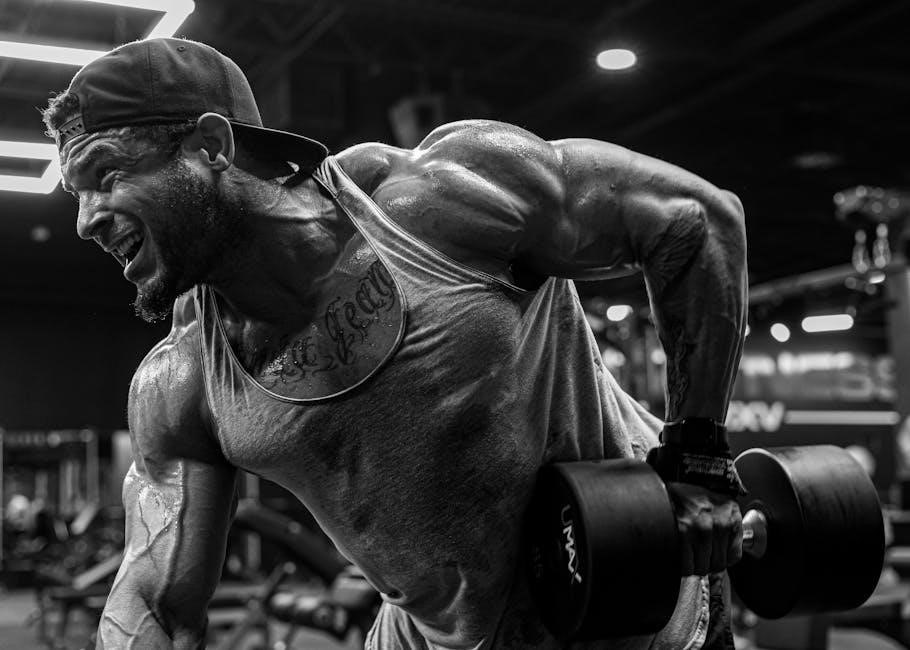
The initial four weeks, as detailed in the Nick Bare Hybrid Training Program PDF, prioritize establishing a robust foundation of strength and cardiovascular fitness․ This phase emphasizes higher repetition weightlifting with moderate intensity, focusing on proper form and movement patterns rather than maximal loads․
Cardiovascular work during this period centers around low-intensity steady-state (LISS) cardio, such as jogging, swimming, or cycling, building aerobic capacity without excessive strain․ Rucking is introduced at a manageable distance and weight, gradually increasing both over the four weeks․
Accessory exercises target key muscle groups to address imbalances and prevent injuries, preparing the body for the more demanding phases ahead․ The PDF stresses the importance of consistent effort and progressive overload throughout this base-building stage, setting the stage for subsequent gains․
Phase 2: Strength & Endurance Integration (Weeks 5-8)
Weeks five through eight, as outlined in the Nick Bare Hybrid Training Program PDF, mark a deliberate shift towards integrating strength and endurance training․ Weightlifting intensity increases, incorporating lower repetition sets with heavier weights to maximize strength gains, while maintaining technical proficiency․
Cardiovascular training evolves to include interval training alongside LISS, challenging the cardiovascular system and improving anaerobic capacity․ Rucking distances and weights continue to increase, demanding greater physical resilience and mental fortitude․
The PDF emphasizes the importance of strategically scheduling workouts to avoid interference between strength and endurance sessions․ Accessory work remains crucial, focusing on strengthening supporting muscles and addressing any lingering weaknesses, preparing the athlete for peak performance․
Phase 3: Peak Performance (Weeks 9-12)
The final phase, detailed within the Nick Bare Hybrid Training Program PDF, focuses on maximizing the gains achieved during the previous phases․ Weightlifting reaches peak intensity, utilizing periodization strategies like deload weeks to prevent overtraining and promote recovery․ Expect challenging, but manageable, weight increases․
Cardiovascular work incorporates high-intensity interval training (HIIT) alongside sustained efforts, pushing the athlete’s limits․ Rucking distances and loads are at their highest, testing both physical and mental endurance․
The PDF stresses the importance of meticulous tracking of performance metrics and adjusting the program based on individual responses․ Accessory work is refined to address specific needs, ensuring optimal preparation for real-world challenges and sustained peak performance․
Nutrition & Recovery for Hybrid Athletes
The Nick Bare Hybrid Training Program PDF emphasizes a holistic approach, recognizing that optimal nutrition and recovery are paramount for maximizing performance and preventing injury․
Strategic fueling and restorative practices are integral components, supporting the demands of concurrent strength and endurance training․
Macronutrient Breakdown & Calorie Needs
The Nick Bare Hybrid Training Program PDF doesn’t prescribe a rigid diet, but stresses individualized calorie and macronutrient adjustments based on body weight, activity level, and goals․
Generally, a balanced approach is recommended, prioritizing sufficient protein intake – around 1 gram per pound of body weight – to support muscle repair and growth, crucial given the program’s strength component․
Carbohydrate needs vary significantly depending on training volume; higher intensity days necessitate increased carbohydrate consumption to fuel performance and replenish glycogen stores․
Fat intake should comprise roughly 20-30% of total calories, focusing on healthy fats from sources like avocados, nuts, and olive oil, supporting hormone production and overall health․
Calorie needs are highly individual, but a starting point of 16-18 calories per pound of body weight is often suggested, adjusted based on progress and body composition changes․
Consistent monitoring and adjustments are key to optimizing nutrition for the demands of hybrid training․

Supplementation Recommendations (Based on Bare’s Protocol)
While the Nick Bare Hybrid Training Program PDF emphasizes a foundation of whole-food nutrition, certain supplements are frequently recommended to support performance and recovery․
Creatine monohydrate is a staple, aiding in strength gains and muscle hydration, aligning with the program’s weightlifting focus․ Whey protein is also commonly used post-workout to facilitate muscle protein synthesis․
For endurance components, beta-alanine may be considered to buffer muscle acidity and improve performance during high-intensity efforts․ Vitamin D supplementation is often advised, particularly for those with limited sun exposure․
Electrolyte supplementation is crucial, especially during rucking or prolonged cardio sessions, to maintain hydration and prevent cramping․ Omega-3 fatty acids are recommended for their anti-inflammatory properties․
Bare’s protocol prioritizes evidence-based supplementation, emphasizing quality and appropriate dosages tailored to individual needs․
It’s important to note that supplements should complement, not replace, a well-rounded diet․
Importance of Sleep and Active Recovery
The Nick Bare Hybrid Training Program PDF doesn’t just focus on pushing physical limits; it heavily underscores the critical role of recovery․ Adequate sleep – aiming for 7-9 hours nightly – is non-negotiable for muscle repair, hormonal balance, and overall performance․
Active recovery, incorporating low-intensity activities like walking or yoga, is favored over complete rest days to promote blood flow and reduce muscle soreness․
Strategic deload weeks, built into the program’s phases, allow the central nervous system to recover and prevent overtraining․
Prioritizing stress management techniques, such as meditation or deep breathing exercises, is also recommended to optimize recovery․
Ignoring these recovery aspects significantly increases the risk of injury and burnout, hindering long-term progress․
The program’s success hinges on balancing intense training with sufficient restorative periods․
Finding and Utilizing the Nick Bare Hybrid Training Program PDF
Locating the official PDF requires careful navigation, as numerous unofficial versions circulate online; verifying authenticity is paramount for safe and effective training․
Official Sources for the PDF
Accessing the legitimate Nick Bare Hybrid Training Program PDF necessitates caution and reliance on trusted sources․ Currently, the primary and most reliable avenue is through official channels directly associated with Nick Bare and his team․
These typically include links provided on his verified social media platforms – Instagram, YouTube, and potentially X (formerly Twitter) – where announcements regarding program releases or updates are frequently posted․
Furthermore, checking the official website for Bare Performance Nutrition (BPN), the company founded by Nick Bare, is crucial, as the PDF may be offered as a complimentary resource with product purchases or as a standalone offering․
Beware of third-party websites claiming to host the PDF, as these often contain outdated, incomplete, or even malicious files․ Prioritize direct links from verified sources to ensure you receive the authentic and most current version of the program․
Common Misconceptions About the PDF
Several misconceptions surround the Nick Bare Hybrid Training Program PDF, often stemming from its popularity and the proliferation of unofficial sources․ A prevalent belief is that a single “definitive” PDF exists, neglecting the fact that Bare frequently updates and modifies the program based on feedback and evolving training methodologies․
Another common error is assuming the PDF is a rigid, inflexible plan․ In reality, it provides a framework intended for personalization and adaptation to individual fitness levels and goals․
Many mistakenly believe the program is solely focused on rucking, overlooking the significant emphasis on weightlifting and cardiovascular conditioning․ Finally, some assume the PDF contains all necessary information, failing to recognize the value of Bare’s accompanying video content and community support․
Program Variations & Customization
The Nick Bare Hybrid Training Program PDF isn’t a one-size-fits-all solution; customization is key to its effectiveness․ Recognizing individual needs, Bare encourages modifications based on experience, available equipment, and specific goals․ Variations exist in terms of rucking distance and weight, weightlifting volume and intensity, and cardio modality․
Beginners might opt for reduced rucking loads and fewer lifting sessions, prioritizing base building․ More advanced athletes can increase intensity and volume, incorporating challenging variations․
The PDF serves as a template, allowing for substitutions of exercises based on preference or limitations․ Ultimately, successful implementation hinges on adapting the program to align with personal circumstances and consistently monitoring progress․
Potential Benefits and Risks
This rigorous program promises improved fitness, resilience, and mental fortitude, but carries risks like overtraining, injury, and burnout if not approached strategically․
Benefits: Improved Fitness, Resilience, and Mental Toughness
The Nick Bare hybrid training program, designed for the modern “hybrid athlete,” delivers a multifaceted approach to fitness, extending beyond traditional strength or endurance regimes․
Participants consistently report significant improvements in overall physical conditioning, experiencing gains in both muscular strength and cardiovascular capacity simultaneously․
However, the benefits aren’t solely physical; the program cultivates remarkable resilience, pushing individuals beyond perceived limits and fostering a robust mental toughness․
The demanding nature of combining weightlifting, rucking, and cardio builds discipline and a strong work ethic, translating to improved performance in various life domains․
Furthermore, the program’s emphasis on consistent challenge prepares individuals to adapt to stressful situations, enhancing their ability to overcome obstacles both physically and mentally․
Ultimately, it’s a holistic system designed to forge well-rounded, capable individuals․
Risks: Overtraining, Injury, and Burnout
Despite its benefits, the Nick Bare hybrid training program presents inherent risks, primarily stemming from its high intensity and demanding nature․ A significant concern is the potential for overtraining, particularly for individuals new to such a multifaceted approach․
The simultaneous focus on strength, endurance, and rucking places considerable stress on the body, increasing the risk of both acute and chronic injuries․
Without adequate recovery and proper form, individuals may experience muscle strains, joint pain, or more serious orthopedic issues․
Furthermore, the program’s relentless pace can lead to burnout, characterized by fatigue, decreased motivation, and diminished performance․
Careful self-monitoring, adherence to rest days, and a willingness to adjust the program based on individual needs are crucial for mitigating these risks․
Ignoring warning signs can quickly derail progress and compromise long-term health․