Dental Implant Post-Operative Instructions
These instructions will guide you through the initial recovery period following dental implant surgery. Adhering to these guidelines is crucial for successful healing and to prevent complications. Many find it helpful to download a PDF version for easy reference during the important post-operative phase.
Understanding Your Recovery Process
Understanding your dental implant recovery is vital. The process involves an initial healing phase, followed by a crucial period for the implant to integrate with your bone. Adhering strictly to post-operative instructions ensures a smooth journey toward successful, lasting results and oral health.
The Osseointegration Period
The osseointegration period is a fundamental phase in your dental implant recovery. This biological process involves the direct fusion of the surgically placed titanium implant with your jawbone, establishing a strong and stable foundation for your new tooth. It is during this time that your natural bone actively grows around and integrates with the implant surface, mimicking the stability of a natural tooth root. This critical integration is paramount for the long-term success and durability of your dental implant, making it a permanent solution for missing teeth.
The duration required for complete osseointegration typically varies from one to six months, though it is commonly observed within three to four months. The exact timeframe depends on several crucial factors, including the quality and quantity of your existing bone, the initial stability achieved during implant placement, and your individual body’s healing capabilities. While immediate post-surgical healing may resolve quickly, the deeper bone integration takes dedicated time and patience. Your strict adherence to all post-operative instructions is essential to ensure optimal osseointegration and contribute to the successful longevity of your implant, allowing for future crown placement.
Expected Healing Duration
Understanding the expected healing duration after your dental implant surgery is crucial for managing your recovery. The initial healing phase, immediately following the procedure, typically lasts between one to two weeks. During this period, it’s common to experience some swelling and discomfort, which can be managed with the prescribed care. This initial phase focuses on the soft tissues around the surgical site beginning to mend.
However, the more significant and fundamental healing process involves osseointegration, where the implant fuses with your jawbone. This critical process usually requires a longer timeframe, varying from approximately three to six months. In many cases, patients find their bone healing sufficiently between three to four months; The exact duration for complete integration is influenced by several factors, including the quality and quantity of your bone, the initial stability of the implant at placement, and your body’s unique healing capabilities. It is after this osseointegration period that your dentist can proceed with attaching a dental crown to the implant, transforming it into a fully functional and aesthetic replacement tooth. Remember, individual healing rates vary, and listening to your body is key throughout this recovery.
Essential Immediate Care
Immediately after your dental implant surgery, critical care focuses on managing common post-operative symptoms. This includes effectively controlling any bleeding, reducing swelling with cold therapy, and managing discomfort to ensure a smoother start to your healing journey.
Controlling Post-Surgical Bleeding
Controlling post-surgical bleeding is an essential immediate care step after dental implant placement. While dental implant procedures often result in very little bleeding, it’s crucial to be prepared for minor occurrences. Typically, some minor bleeding is expected immediately after the surgery and should subside quickly, often within an hour or two. To effectively control any persistent bleeding, the primary method involves applying firm pressure to the surgical site.
Patients are instructed to bite down on gauze with firm, consistent pressure for approximately 30 to 60 minutes, or as advised by their surgeon. This sustained pressure is vital as it helps to encourage the formation of a stable blood clot at the surgical site, which is fundamental for initiating the healing process. If bleeding continues, replacing the gauze and reapplying pressure for another 30-60 minutes is recommended. In cases where a sinus lift was performed in conjunction with implant placement, a nasal decongestant, such as Sudafed, might be advised to help manage any related bleeding or pressure. It is important to avoid disturbing the clot once formed.
Reducing Swelling with Ice Packs
Swelling is a common and expected aspect of recovery after dental implant surgery, particularly during the initial 1-2 week healing period. While it’s a natural bodily response, effectively managing and reducing this swelling is crucial for enhancing comfort. To significantly alleviate post-operative swelling, the consistent and timely application of ice packs is strongly recommended, commencing immediately following your procedure and continuing diligently.
Apply ice packs directly to the surgical area, specifically on the side of the face corresponding to the implant site. This therapy should be maintained for the first 48 hours after surgery. The correct application method involves an intermittent cycle: place the ice pack on for 20 minutes, then remove it for 10 minutes. Repeat this pattern as frequently as possible during your waking hours. This technique helps constrict blood vessels, reducing fluid accumulation and inflammation. Bags of frozen peas are often suggested as an excellent, conforming alternative to traditional ice packs. Early and regular use of ice packs is key for minimizing swelling and promoting a more comfortable and efficient recovery process.
Managing Post-Operative Pain
Experiencing some level of pain or discomfort after dental implant surgery is a normal part of the healing process, especially during the initial 1-2 weeks. Your comfort is a priority, and effective pain management will significantly contribute to a smoother recovery. To alleviate soreness and manage any discomfort, it is crucial to follow your surgeon’s specific instructions regarding pain medication precisely.
Typically, you will be prescribed pain medication to take as needed. Begin taking this medication as directed, often before the local anesthetic completely wears off, to stay ahead of the pain. Do not wait for severe pain to set in before taking your medication. If you were not prescribed medication, or if you prefer, over-the-counter pain relievers like ibuprofen or acetaminophen can be effective in managing milder discomfort. Always adhere to the recommended dosages for any medication. If your pain is severe, persistent, or unmanageable with the prescribed medication, it is essential to contact our office immediately. We can provide further guidance or adjust your pain management plan to ensure your comfort throughout the healing journey. Prompt communication helps address any concerns swiftly.
Oral Hygiene Protocols
Maintaining meticulous oral hygiene is paramount for successful implant integration and preventing infection. Following specific cleaning protocols will ensure the surgical site remains clean, promoting optimal healing. These instructions detail necessary steps to protect your new implant after surgery.
Initial 24-Hour Rinsing Restrictions
Following dental implant surgery, it is critically important to observe strict rinsing restrictions for the initial 24 hours. The primary directive is to avoid rinsing or spitting during this crucial period. This measure is in place to protect the delicate surgical site and the newly formed blood clot, which is essential for initiating the healing process. Any vigorous rinsing or spitting can dislodge this protective clot, leading to increased bleeding, delayed healing, or even a painful condition known as a ‘dry socket,’ although less common with implant sites than extractions. The goal is to allow the surgical area to stabilize and for the initial stages of tissue repair to begin undisturbed. Therefore, refrain from using any mouthwashes, salt water rinses, or even plain water for rinsing. This also means avoiding any actions that might create suction or pressure within the mouth, which could similarly disrupt the clot. Gentle care is key during this immediate post-operative phase. By strictly adhering to the ‘do not rinse or spit’ instruction for the first full day after your procedure, you significantly enhance the chances of a smooth and uneventful recovery for your dental implant, setting a strong foundation for successful osseointegration and long-term stability; This initial precaution is a cornerstone of effective post-operative care, as detailed in most dental implant post-op instructions available in PDF format.
Recommended Mouth Rinses After 24 Hours
Once the initial 24-hour post-surgical period has elapsed, you can carefully begin to introduce specific mouth rinses to promote healing and maintain optimal oral hygiene around the implant site. It is crucial that any rinsing is performed gently to avoid disturbing the healing tissues or any remaining blood clots. Vigorous swishing or spitting should still be avoided. At this stage, your dentist or surgeon will likely recommend using a prescribed antibacterial mouth rinse. This type of rinse is specifically formulated to aid in healing and keep the surgical area clean, minimizing the risk of infection. You should typically use this prescribed rinse twice a day, following the specific instructions provided by your dental professional regarding dosage and duration. In addition to, or as an alternative to a prescribed rinse, a warm salt water rinse can also be very beneficial. To prepare this, dissolve half a teaspoon of salt in eight ounces of warm water. Gently swish this solution around your mouth, allowing it to bathe the surgical area, then allow it to spill out rather than forcefully spitting. Warm salt water rinses can help reduce swelling and discomfort, while also keeping the area clean. Regular, gentle rinsing after the first 24 hours is a vital step in ensuring a clean healing environment for your dental implant, contributing significantly to a successful recovery and osseointegration process as outlined in comprehensive post-operative instructions.
Gentle Brushing and Flossing
Maintaining meticulous oral hygiene is paramount after dental implant surgery, but it requires a gentle approach, especially around the surgical site. After the initial 24-hour period, you should resume regular brushing and flossing of your natural teeth, but with extreme caution and sensitivity. It is absolutely crucial to avoid brushing directly over the surgical area where the implant has been placed. This delicate region needs undisturbed healing to allow for proper osseointegration. When brushing other teeth, use a soft-bristled toothbrush and apply minimal pressure. Focus on cleaning the surfaces of your teeth and gums gently, without contacting the implant site. Furthermore, it is strongly advised to avoid using electric toothbrushes and waterpiks during the initial healing phase; The intense vibrations or strong water jets from these devices could potentially disrupt the delicate healing tissues or dislodge blood clots, jeopardizing the implant’s success. For flossing, continue with your routine on teeth not adjacent to the implant site. If flossing near the implant, proceed with utmost care, making sure not to poke or irritate the surgical area. Your goal is to keep the rest of your mouth clean without disturbing the implant, which is a key instruction often highlighted in comprehensive post-operative care documents such as those found in a dental implant post-op instructions PDF.
Targeted Care for Implant Site
Direct care for the area where your dental implant has been placed is critical for optimal healing and preventing complications. It is absolutely crucial to avoid any direct mechanical disturbance to the surgical site. This means you must not brush the implant area directly with a toothbrush, even a soft one, as this can dislodge blood clots or irritate delicate healing tissues, impeding osseointegration. Similarly, refrain from poking or touching the surgical area with your fingers or tongue, as this introduces bacteria and can cause trauma. After the initial 24-hour period, and with your dentist’s approval, you can begin gentle, targeted rinsing. While general rinsing is covered separately, specific applications are vital. Many protocols recommend applying a small amount of prescribed antibacterial mouthwash, such as chlorhexidine, directly to the gum and implant interface. This can be meticulously done using a cotton bud (Q-tip) for the first two weeks, ensuring the area remains clean without aggressive rinsing. A warm salt water rinse can also be beneficial for soothing and cleaning the general oral environment, but avoid direct forceful application to the implant site. The primary goal is to maintain a sterile environment around the implant, allowing bone and gum tissues to integrate undisturbed. Always follow your surgeon’s specific instructions for targeted cleaning, as detailed in your dental implant post-op instructions PDF.
Dietary Recommendations
Adhering to specific dietary guidelines is essential for successful healing after your dental implant surgery. Careful food and drink choices will protect the surgical site and facilitate recovery, as detailed in your post-op instructions PDF.
Avoiding Hot Food and Drinks
Immediately following your dental implant surgery, it is critically important to strictly avoid consuming any hot food or beverages. This caution is primarily due to two significant factors that can impede your healing process. Firstly, while the local anesthetic is still active, typically for about two hours post-procedure, your mouth will be numb. This numbness makes it very difficult to accurately assess temperature, significantly increasing your risk of accidental burns to the delicate surgical site and surrounding tissues. Such burns can cause pain, delay healing, and potentially lead to complications. Secondly, hot temperatures can increase blood flow to the surgical area, potentially exacerbating swelling and disrupting the crucial initial blood clot formation vital for proper healing and osseointegration. Therefore, it is strongly advised to avoid any extremely hot foods or drinks for at least the first 48 hours after your surgery. Opt for lukewarm or cool items instead. Always ensure the anesthetic has completely worn off before eating or drinking anything that isn’t cold, to prevent unforeseen injury and support optimal recovery. These guidelines are fundamental for a smooth and successful healing journey.
General Eating Guidelines
Following dental implant surgery, a careful diet is essential for promoting optimal healing and protecting the surgical site. For the initial days, a soft food diet is highly recommended. This includes items such as yogurt, smoothies, mashed potatoes, well-cooked pasta, scrambled eggs, and lukewarm soups. It is crucial to avoid any foods that are hard, crunchy, chewy, or sticky. These types of foods can dislodge the crucial blood clot, irritate the surgical area, or place undue pressure on the newly placed implant, potentially jeopardizing its stability. Examples of foods to strictly avoid include nuts, popcorn, chips, tough meats, and raw vegetables. When you gradually begin to reintroduce more solid foods, always chew primarily on the side of your mouth opposite to the surgical site to minimize any disturbance. Ensuring proper nutrition through a balanced, hydrating soft diet is vital for your body’s natural healing processes. Progress your diet as comfort allows, prioritizing caution to protect your investment. Listening to your body and avoiding any pain or discomfort during eating is paramount for a successful recovery. Contact your dental professional with any dietary concerns or healing questions.
Activities and Habits to Limit
To ensure proper healing and prevent complications, it’s vital to limit certain activities and habits. Avoid strenuous exercise, smoking, and using straws. Protecting the surgical site from disturbance is key for a smooth recovery.
The Detrimental Effects of Smoking
Smoking is unequivocally one of the most significant factors that can negatively impact the success and healing of your dental implant. The chemicals in tobacco, particularly nicotine, severely compromise the body’s natural healing processes. These substances restrict vital blood flow to the surgical site, reducing the essential supply of oxygen and nutrients needed for proper tissue regeneration and osseointegration. This crucial fusion of implant with bone, vital for stability, is significantly hindered by smoking. Reduced blood supply also makes the surgical area more susceptible to infection, a major concern that can lead to implant failure. Furthermore, smoking can dry out the mouth, increasing bacterial accumulation around the implant site, exacerbating potential issues. Patients who smoke often experience delayed healing, increased pain, and a higher incidence of serious complications, including potential implant loss. It is strongly advised to cease smoking entirely, or at least significantly reduce it, both before and for an extended period after your surgery, to give your body the best chance for successful recovery and long-term implant stability. Protecting the surgical area from these harmful effects is paramount for optimal outcomes.
Protecting the Surgical Area
Ensuring the surgical area remains undisturbed is paramount for successful healing. It is critically important to keep your fingers and tongue away from the implant site. Any poking or touching can dislodge the blood clot, introduce bacteria, or disrupt the delicate healing tissues, potentially leading to complications. Avoid using a straw for at least the first few days after surgery, as the suction created can dislodge the protective blood clot and cause bleeding. Similarly, refrain from spitting forcefully. If you have been provided with a temporary partial denture or flipper to wear over the implant site, it is vital to follow your doctor’s specific instructions regarding its use. Improper use can place undue pressure on the healing area. When it comes to oral hygiene, do not brush the surgical site directly. While gentle brushing of other teeth is encouraged, avoid any direct contact with the implant area to prevent irritation or damage. Furthermore, abstain from using electric toothbrushes and waterpiks near the surgical site, as their intensity can be too aggressive for the delicate healing tissues. Protecting this area from any unnecessary force, pressure, or contamination is absolutely key for optimal osseointegration and a smooth, successful recovery.
Managing Pressure: Sneezing and Nose Blowing
Managing internal pressure, particularly from actions like sneezing and nose blowing, is a critical component of successful post-operative healing for dental implants. It is extremely important to limit nose blowing during the initial recovery period. The force exerted can create significant pressure within the nasal and oral cavities, which could potentially dislodge the blood clot or disturb the delicate implant site, especially if a sinus lift procedure was also performed. If you find yourself needing to sneeze, it is paramount to do so with your mouth open. This simple yet effective technique helps to equalize the pressure between your mouth and nose, thereby substantially reducing any unintended airflow or pressure buildup that could negatively impact the surgical area. This measure is crucial for preventing undue stress on the implant and the surrounding healing bone and soft tissues. For patients who have undergone a sinus lift in conjunction with their implant placement, a nasal decongestant, such as Sudafed, may be advised to help manage congestion and further reduce pressure in the sinus cavities. Always adhere to your surgeon’s specific recommendations for these actions.
Monitoring Your Healing Progress
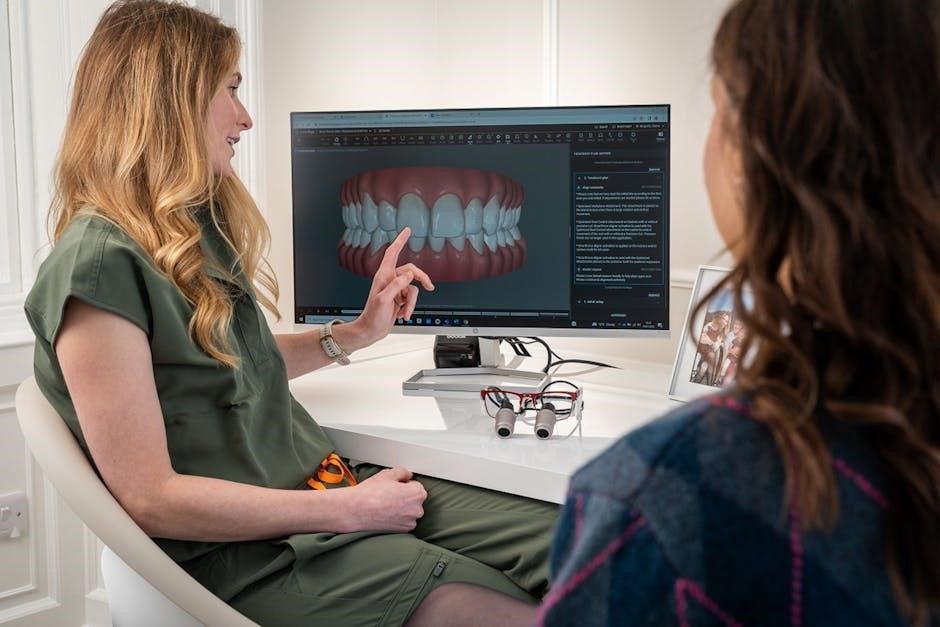
Monitoring your healing progress is essential for successful recovery. Observe the implant site for unusual symptoms like increasing pain or redness. Attend all scheduled post-operative appointments. Contact your dental office with any questions or concerns.
Identifying Signs of Infection
Identifying signs of infection early is crucial for the success of your dental implant and your overall health. While some swelling and discomfort are normal during the initial healing period, certain symptoms can indicate a more serious issue. You should be vigilant for specific indicators that suggest an infection might be developing around the surgical site.
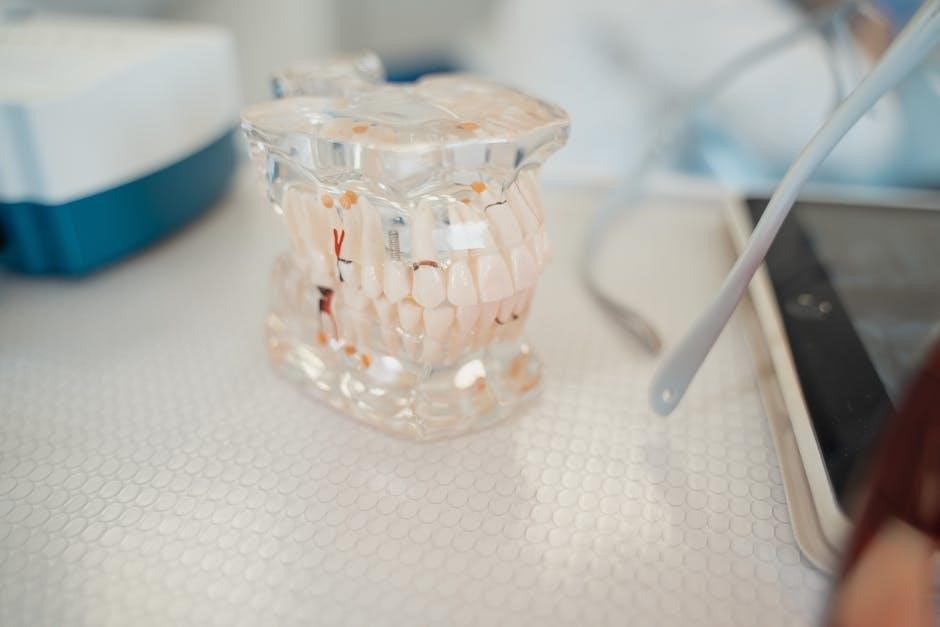
Key signs to watch for include a persistent fever, which is a systemic response indicating your body is fighting an infection. Localized redness that intensifies or spreads beyond the expected area of inflammation can also be a significant warning sign. The presence of pus, which is a thick, yellowish or whitish fluid, is a clear indicator of bacterial infection. Furthermore, observe for large swellings which start 2-3 days after surgery, especially if they are accompanied by increasing pain or tenderness. These symptoms differentiate normal post-operative healing from a potential infection requiring immediate attention. Prompt recognition and action are vital to prevent further complications and ensure optimal implant integration.
When to Seek Professional Advice
Understanding when to seek professional advice is a critical aspect of your dental implant recovery. While some discomfort and swelling are expected, certain symptoms warrant immediate contact with your dental office. It is imperative to reach out if you notice any persistent signs of infection, including a fever, spreading redness around the surgical site, the presence of pus, or large swellings that begin to appear 2-3 days after your surgery. These indicators suggest a potential complication that requires prompt clinical assessment.
Additionally, if you experience pain that is not effectively managed by the prescribed pain medication, or if your pain significantly worsens over time, do not hesitate to contact your care provider. Any concerns regarding the implant site, such as unusual sensations, unexpected bleeding beyond the initial post-surgical period, or if you feel something is simply “not right,” should also prompt a call. Your scheduled post-operative visit, typically around 12 weeks after treatment, is important, but do not wait if problems arise sooner. Always feel free to contact the office with any questions or issues with these instructions.